
Dog Behavior: What I learned Traveling to Ireland and other Countries
I love traveling, and have traveled extensively around the world. One thing I always happen to take note of is the local dogs- both the street dogs and the dogs owned by families. I think we can tell a lot about a culture by how they treat their animals, and I learn so much about natural dog behavior watching the street dogs from different countries.
I recently traveled to Ireland, and the one thing that was abundantly clear to me and my son-who traveled with me- is how relaxed and happy Irish dogs are! We spent nearly two weeks traveling all over Ireland, and honestly, we did not see one incident of reactivity, pulling on leashes, or lunging. I noticed this in some other countries as well, like Peru, Costa Rica and Spain. It got me thinking, why this is, and I have some thoughts on the matter.
One thing that I noticed, both in bigger cities like Belfast and Dublin as well as smaller more rural cities, is the strength of the bond between dog owner and dogs. Most owners that we witnessed, were in tune with their dogs, allowing the dogs to move at the dogs pace, sniff if needed and to stop when the dogs dictated it.
It seemed to me that the dog walks were for the dogs overall benefit and not just for exercise. I watched owners who were spending time with their dogs and were fully engaged with the dogs- not distracted by cell phones. As a dog trainer, I am always stressing the power of a positive relationship with our dogs- after all, they are sentient beings with thoughts, emotions and memories. It makes sense that when we are fully engaged with our pets and are looking out for their best interest, they will be happier, less stressed and more content.
One of the most remarkable sights was dogs walking with a relaxed, loose leash. Owners allowed their canine companions to sniff and explore, letting the dogs dictate the pace. This approach not only fosters a stronger bond but also reduces stress and anxiety in dogs. Loose leash walking is a fundamental aspect of dog training that encourages natural behavior and enhances the walking experience for both the dog and the owner.
It was noticeable how the dogs responded to the owners attempts to let dogs be dogs. Dogs trotted along happily, not pulling or lunging, not struggling to greet each other. Dogs and owners communicated with each other what they needed- the harmony between owner and dog is a treat to witness!
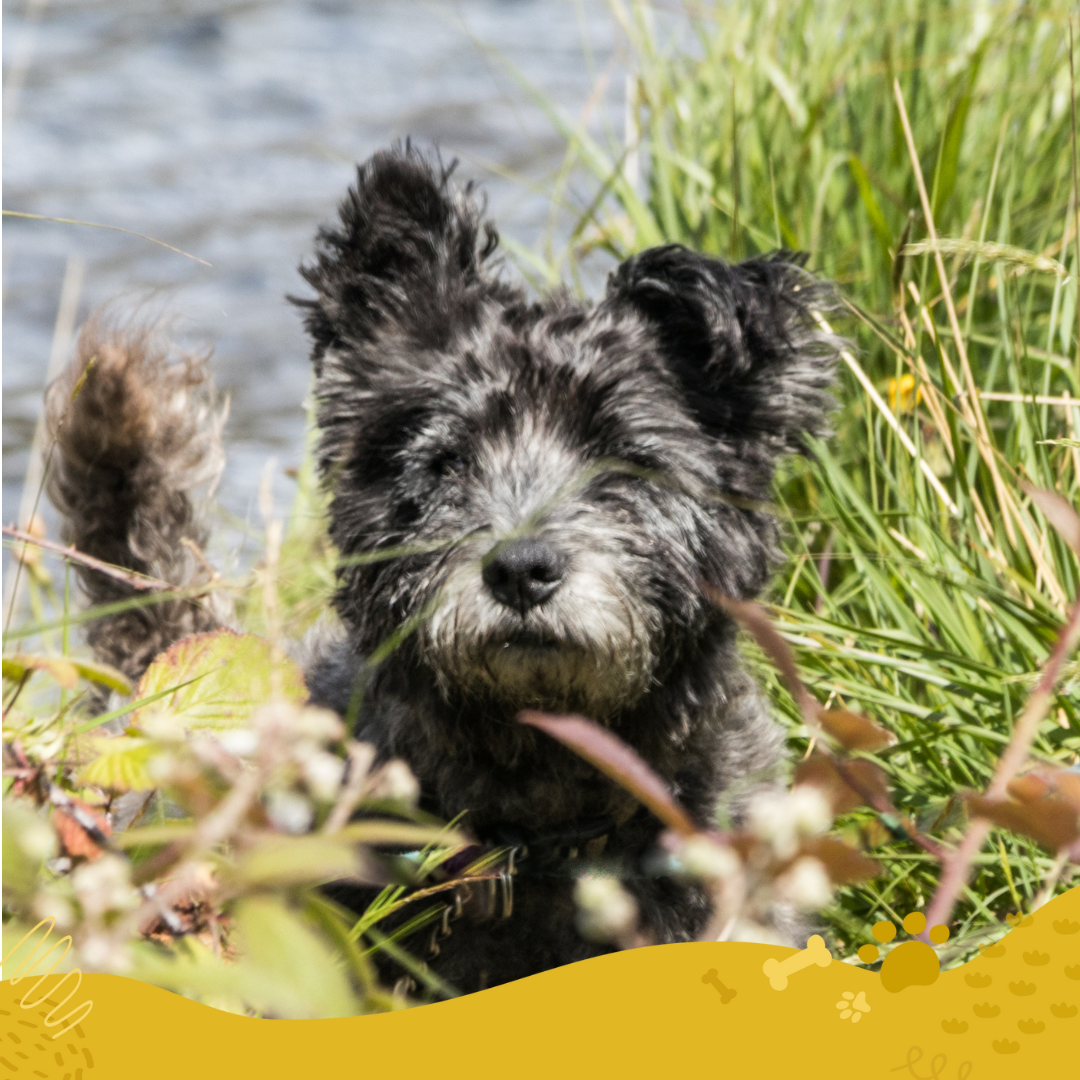
Reactivity: A Rare Sight in Ireland
Throughout my stay, I didn't witness a single reactive episode among the dogs I encountered. This absence of reactivity could be attributed to the way Irish owners interact with their dogs. By allowing dogs to be themselves and respecting their limits, owners may be minimizing triggers that typically lead to reactive behavior. This natural approach seems to create a calm and confident demeanor in dogs, reducing instances of aggression or fear-based reactions.
I'm inclined to believe that there is more to the story here though. For one thing, the people of Ireland that we met, lead a simpler lifestyle. They were focused on what was important and tended to be more relaxed than most Americans are. We did not see the frenetic pace that is so often seen here, with people buzzing about trying to work harder to get the next new toy, bigger home or fancier car. In Ireland, the people we met with and spoke to, were focused on family, friends and enjoying the moment they were in. Is it possible that when we, as owners, are less stressed and anxious, that our dogs will also be less stressed and anxious?
I think so. We know that our dogs have an ability to match our brain waves- called brain entrainment- so it makes sense that our dogs will feed off of our energy of discontent and anxiety.
Another thing I think contributes to the overall happiness of the dogs was the complete lack of aversive equipment. While it is not explicitly banned in Ireland, tools like prong collars and shock collars are simply not used. The owners cannot see the benefit of compelling a dog to do what they do not wish to do- instead focusing on the relationship to shape dog behavior.
Respecting Canine Behavior
I have mentioned it before, but it bears repeating. In Ireland, dog owners are focused on respecting the needs of their dogs to be dogs. It is common for dog owners to allow their dogs to interact and play with other dogs on their terms, not at a dog park or other forced setting.
In more rural towns, it is common for farmers to let the dogs run on the farms for portions of the day. Dogs have the ability to play and interact with each other using normal canine body language. Dogs are allowed to have their needs as dogs met.
Some dogs are working dogs, but here too, the dog is respected. It is uncommon to see herding dogs in the large city, instead the cities tended to have smaller, companion dogs. Working dogs like border collies and aussies, were seen more often on cattle or sheep farms, working as they were intended to. When you honor the genetics of a dogs breed, you remove a large portion of stress from them.
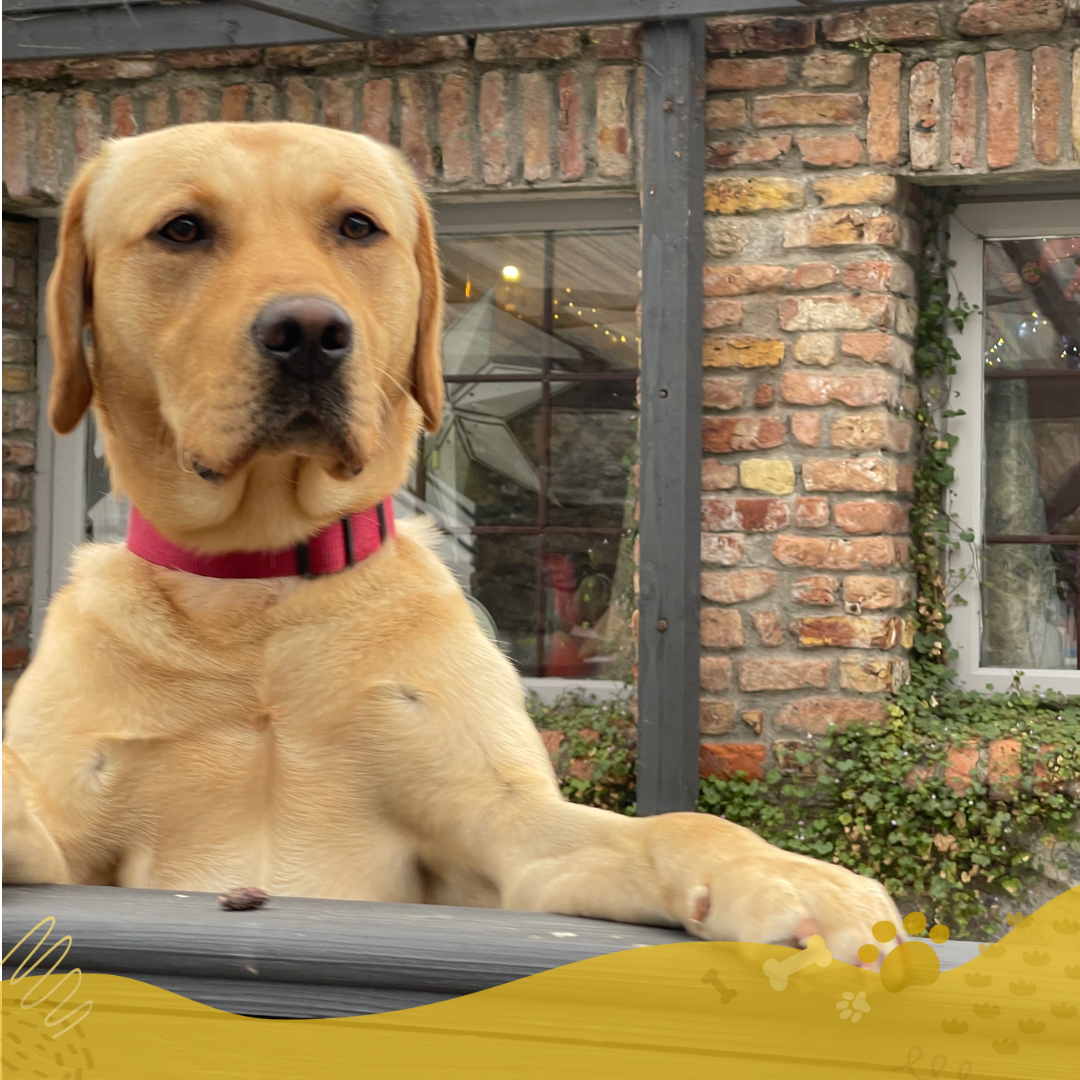
Applying the Lessons Learned in Ireland, here at home
For dog owners seeking to improve leash skills and reduce reactivity, consider adopting some of these Irish-inspired practices:
- Allow Your Dog to Set the Pace: Let your dog sniff and explore during walks. This mental stimulation is crucial for their well-being.
- Practice Loose Leash Walking: Encourage your dog to walk beside you without pulling by rewarding calm behavior.
- Honor your dogs genetics: help your dog by finding ways to meet their genetic needs. What was your dog bred for and how can they meet those needs?
- Respect Their Limits: Pay attention to your dog's body language and remove them from situations that cause stress or fear.
- Avoid Aversive Methods: Focus on positive reinforcement rather than punishment to build trust and confidence.
By incorporating these techniques, you may notice a significant improvement in your dog's behavior and overall happiness.